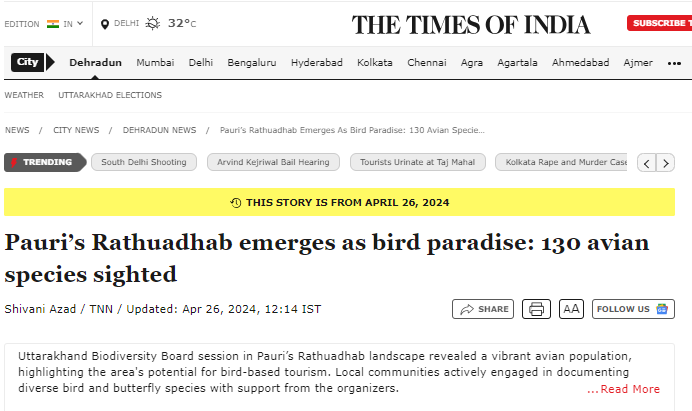
Rathuadhab
Where You Can Feel The Nature
Jim corbett National park
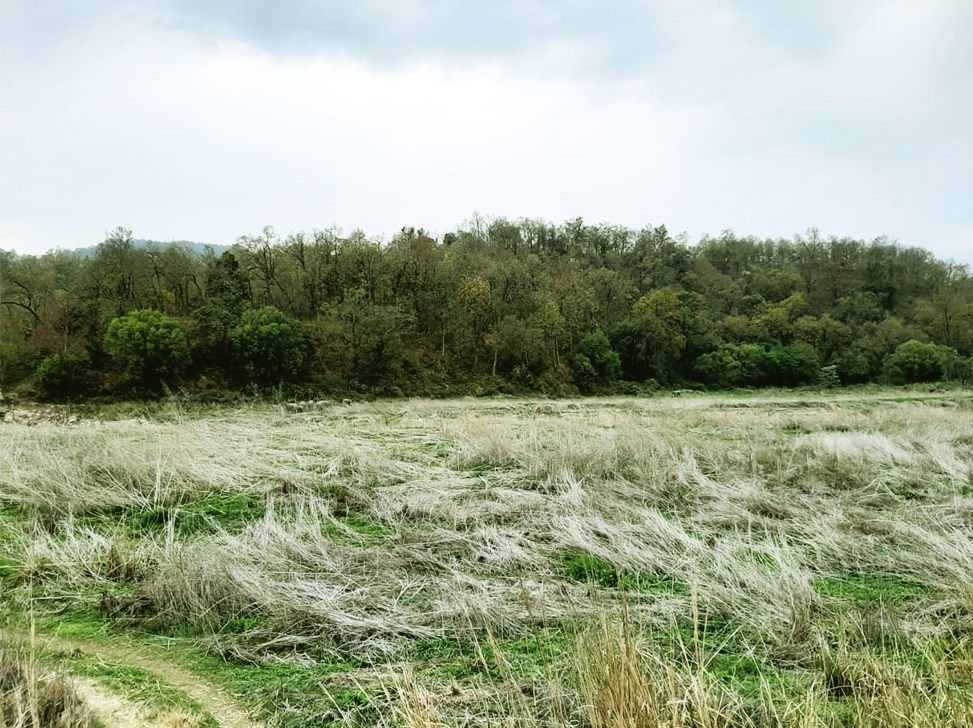
Rathuadhab:
A Hidden Gem in Corbett Tiger Reserve
Introduction
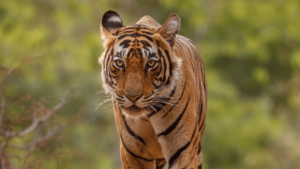
Corbett has aptly been described as the land of the Roar, Trumpet and Song. It represents a scene of remarkable beauty.
Corbett had the proud distinction of being chosen as the venue for the inauguration of Project Tiger in India. The rich biodiversity of the Reserve is partly attributed to the variety of habitat found here. Due to the location of the Reserve in the foothills of the Central Himalayas both Himalayan and peninsular flora and fauna is found in the Reserve.
The grasslands are locally known as Chaurs, are limited. The largest grassland is the Dhikala Chaur. Some of the best grasslands including the famous Buxar Chaur and the Beri Chaur got submerged under the Ramganga reservoir in 1974. The areas made available as a result of the relocation of
the villages, Dhara, Jhirna and Kothirau in 1994 are being developed into grasslands through habitat management.
The Ramganga reservoir which came into being in 1974 stretches over an area of around 82 sq. km. with one half each in Corbett National Park and Sonanadi Wildlife Sanctuary.
The Corbett Tiger Reserve has a great variety of fauna on account of habitat diversity. It is very rich in avifauna. Zoological Survey of India has recorded over 585 species of resident and migratory birds here.
Conservation History
The Reserve area was named as ‘Hailey National Park’ in 1936. This was renamed in 1954-55 as ‘Ramganga National Park’ and again in 1955-56 as ‘Corbett National Park’. Its the oldest National Park of India. It was one of the nine Tiger Reserves created at the launch of the Project Tiger in 1973. The original area of the Park was 323.75 sq. km. to which 197.07 sq. km. was added later. An area of 797.72 sq. km. was added as buffer of the Corbett Tiger Reserve in 1991. This area includes the whole of Kalagarh Forest Division (including 301.18 sq. km. area of Sonanadi Wildlife Sanctuary), 96.70 sq. km. of Ramnagar Forest Division and 89 sq. km. The administrative control over the entire area is that of the Field Director of the Reserve.
Offence Cases
| Year | Total Case |
| 1993-1994 | 189 |
| 1994-1995 | 261 |
| 1995-1996 | 363 |
| 1996-1997 | 350 |
| 1997-1998 | 335 |
Forest Types
Northern Moist Deciduous, Northern Tropical Dry Deciduous, Himalayan Subtropical Pine Forests
Major Flora
Main Species
Sal, Khair, Sissoo, Ber, Kuthber, Bel, Chbilla, Dhak, Semal, Khingan, Kharpat, Rohini, Bakli, Pula and Bamboo
Major Fauna
Main Species
Mammals: Tiger, Leopard, Elephant, Cheetal , Sambar , Hog Deer, Barking Deer , Wildboar Langoor And Rhesus Monkey.
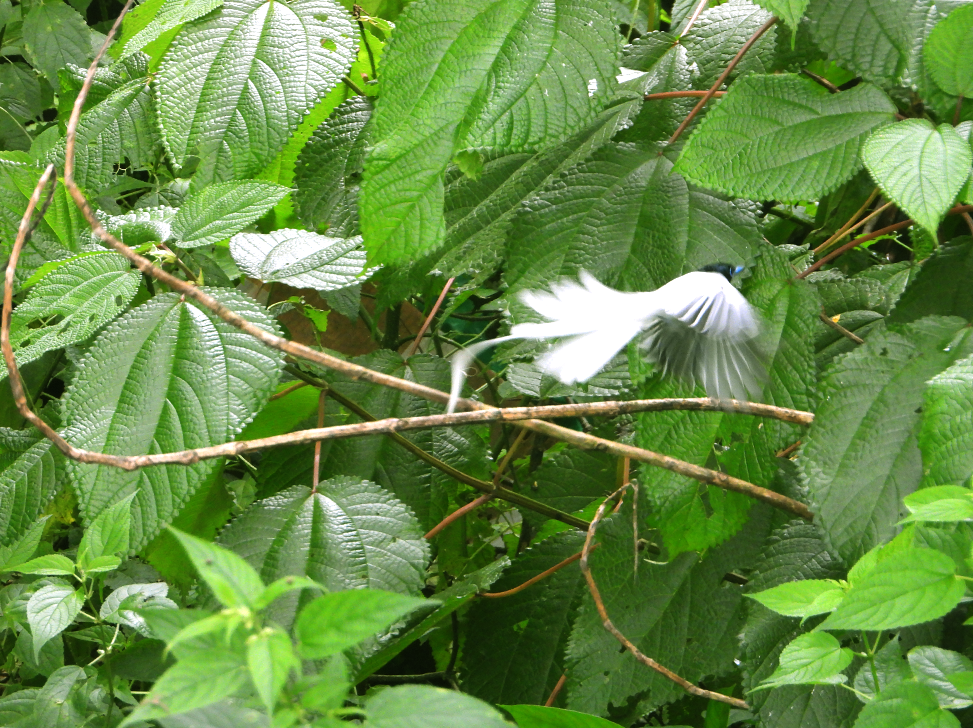
Birds : Peacock, Jungle Fowl, Partridges, Kaleej, Crow, Vulture, Parakeets, Laughing Thrush, Orioles, King Fishers, Drongo, Doves, Woodpeckers, Ducks, Teals,Storks, Cormorants and Seagulls .
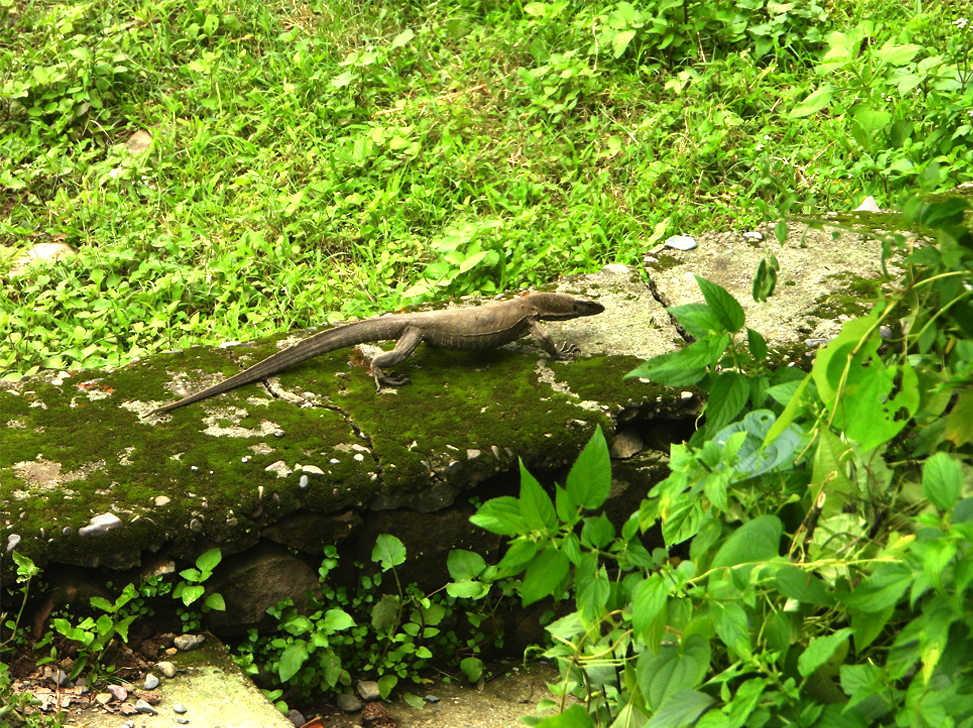
Reptile : Indian Marsh Crocodiles Or Mugger , Gharials , King Cobra, Common Krait , Cobra, Russel , Python and Monitor Lizard .
Pisces : Mahaseer , Kalimuchi , Kalabasu , Chilwa and Goonch.
Management
The main focus of the management is on protection. The other thrust areas are habitat and water management. Corbett management is also focusing on ecotourism.
Special Projects
1. Development of Interpretive Facilities – Under the aegis of the Indo-US Sub Commission on Science and Technology, the Wildlife Institute of India in collaboration with US Fish & Wildlife Service has initiated a project entitled Planning and Development of Interpretive Facilities in Corbett National Park. Corbett Centre for Conservation – An ambitious Corbett Centre for Conservation is being developed at Kalagarh on the boundary of Corbett National Park.
2. The establishment of this facility is one of the major components of the World Bank aided UP Forestry Project. This centre will be developed in such a fashion so as to meet the training, research and extension requirements of the Wildlife Preservation Organization and the Forest Department of U.P. Construction of residential and mess facilities for 40 persons is in progress
New Initiatives
Several important initiatives have been taken by the Corbett Tiger Reserve management during the last five years.
Eco-development
The UP Forest Department has formulated guidelines on eco-development. Eco-development forms one of the important components under the World Bank aided UP Forestry Project. Eco-development Committees are being formed in villages situated in the peripheral areas of Corbett Tiger Reserve. So far, twelve eco-development committees have been formed.
A Spearhead Team for CTR was trained by WII during October, 1997. With the help of this team, staff, NGOs and Eco-development Committee members are being trained in participatory methods for microplanning and monitoring at Corbett Centre for Conservation by conducting workshops and study tours. During 1998, two cluster workshops were conducted for field staff from protected areas (PAs) of Uttarakhand. Seven Spearhead Team from different PAs of UP were trained in Participatory Rural Appraisal (PRA) methodology and technique of microplanning. EDC members from 22 villages were trained in three workshops so as to enable them to discharge their responsibilities effectively. Several workshops have also been conducted at village and range level as part of the microplanning process. Booklets in Hindi on different aspects of eco-development are being brought out as resource material for these workshops. Jaiv Vividhata Sanrakshan main Sahabhagita Kyon Aur Kaise and Microplanning Vidhi Aur Prarup have already been published and operational guidelines for eco-development are being prepared. The first microplan was prepared for Dhikolia village in December 1997 under the supervision of the Wildlife Institute of India, Dehradun. Subsequently, three more microplans were prepared for Dhela, Dhikuli and Ringora villages. The programme is being implemented in these four villages. Microplanning is in advanced stages of completion in another eight villages.
Nature Guide Programme
In 1993, a training course of two and a half-month duration was organised for 25 educated unemployed youth. The participants were trained in natural history, visitor management and park interpretation and subsequently registered as nature guides in Corbett. Shortage of guides led to the organization of a second course in 1995 in which another batch of 25 youth received training.
The establishment of the guide service has convincingly demonstrated that Corbett has the potential to provide economic benefits to the local people through such linkages. An additional benefit has been that Reserve staff who used to be preoccupied with the duty of guiding the visitors is now free to carry management activities.
Eco-tourism
Workshops of various stakeholders connected with ecotourism in Corbett, Binsar Wildlife Sanctuary and Garhwal region have been organised to develop understanding and agreement between different stakeholders so as to ensure biodiversity conservation and maximize benefits to the local communities.
Voluntary Support
The Government of Uttar Pradesh has authorized the Directors of National Parks to accept voluntary gifts from visitors and NGOs. The Director maintains an account of the gifts received and send information to the Government.
Stone Masonry Wall
The Central Government has sanctioned Rs.141.00 lakhs for the construction of a 12-km. long stone masonry wall on the southern boundary of Corbett where it comes in direct contact with agricultural fields.
NGO Support
NGOs have come forward to assist Corbett in strengthening protection measures.
Education and Awareness
Visitor Centre – A visitor centre has been constructed to commemorate the Diamond Jubilee of Corbett National Park at Dhangarhi, the main entrance to Corbett National Park. This centre is being used to organize activities for both children and the villagers and provide information to the visitors. Interpretive facilities will be developed in the visitor centre as part of the Indo-US collaborative project on interpretation.
Corbett Newsletter – Corbett National Park became the first NP of India to have its own in-house magazine when the Corbett newsletter was first launched in April 1994. It is a quarterly publication with alternate issue in Hindi and English. The newsletter contains reports on incidents and activities in Corbett, policy changes and management initiatives and in depth articles on wildlife conservation specially those related to tiger. The Hindi edition is distributed free of cost to the villagers, school children and staff.
Census
|
Wild Species |
1993 |
1994 |
1995 |
1996 |
1997 |
|
Tiger |
123 |
128 |
134 |
— |
138 |
|
Panther |
100 |
102 |
110 |
— |
109 |
|
Elephant |
417 |
— |
502 |
— |
746 |
|
Cheetal |
36525 |
— |
31919 |
— |
— |
|
Sambar |
5576 |
— |
5695 |
— |
5757 |
|
Barking Deer |
2262 |
— |
2271 |
— |
2229 |
|
Hog Deer |
292 |
— |
294 |
— |
477 |
|
Bear |
54 |
— |
58 |
— |
40 |
|
Wild Boar |
7670 |
— |
7711 |
— |
7906 |
|
Ghariyal |
224 |
— |
123 |
— |
283 |
|
Mugar |
118 |
— |
119 |
— |
301 |
|
Ghoral |
424 |
— |
433 |
— |
451 |
|
Monkey |
12663 |
— |
12574 |
— |
12764 |
|
Langur |
14091 |
— |
14187 |
— |
14300 |
|
Blue Bull |
— |
— |
313 |
— |
466 |
Constraints
|
S.No |
Year |
Area Burnt (in Ha.) |
Area burnt in percentage (%) |
|
20. |
1992-93 |
72.00 |
0.05 |
|
21. |
1993-94 |
440.00 |
0.33 |
|
22. |
1994-95 |
4645.00 |
3.52 |
|
23. |
1995-96 |
1040.00 |
0.79 |
|
24. |
1996-97 |
41.00 |
0.03 |
|
25. |
1998-99* |
41.00 |
0.014 |
|
|
*Till 30 June 98 |
|
|
Poaching of fauna and flora
|
Year |
Timber |
Poaching |
Fishing |
|
1993-94 |
115 |
05 |
05 |
|
1994-95 |
138 |
08 |
07 |
|
1995-96 |
181 |
08 |
23 |
|
1996-97 |
153 |
21 |
11 |
|
1997-98 |
162 |
12 |
16 |
Census
|
Wild Species |
1993 |
1994 |
1995 |
1996 |
1997 |
|
Tiger |
123 |
128 |
134 |
— |
138 |
|
Panther |
100 |
102 |
110 |
— |
109 |
|
Elephant |
417 |
— |
502 |
— |
746 |
|
Cheetal |
36525 |
— |
31919 |
— |
— |
|
Sambar |
5576 |
— |
5695 |
— |
5757 |
|
Barking Deer |
2262 |
— |
2271 |
— |
2229 |
|
Hog Deer |
292 |
— |
294 |
— |
477 |
|
Bear |
54 |
— |
58 |
— |
40 |
|
Wild Boar |
7670 |
— |
7711 |
— |
7906 |
|
Ghariyal |
224 |
— |
123 |
— |
283 |
|
Mugar |
118 |
— |
119 |
— |
301 |
|
Ghoral |
424 |
— |
433 |
— |
451 |
|
Monkey |
12663 |
— |
12574 |
— |
12764 |
|
Langur |
14091 |
— |
14187 |
— |
14300 |
|
Blue Bull |
— |
— |
313 |
— |
466 |
Fire :
|
S.No |
Year |
Area Burnt (in Ha.) |
Area burnt in percentage (%) |
|
20. |
1992-93 |
72.00 |
0.05 |
|
21. |
1993-94 |
440.00 |
0.33 |
|
22. |
1994-95 |
4645.00 |
3.52 |
|
23. |
1995-96 |
1040.00 |
0.79 |
|
24. |
1996-97 |
41.00 |
0.03 |
|
25. |
1998-99* |
41.00 |
0.014 |
|
|
*Till 30 June 98 |
|
|
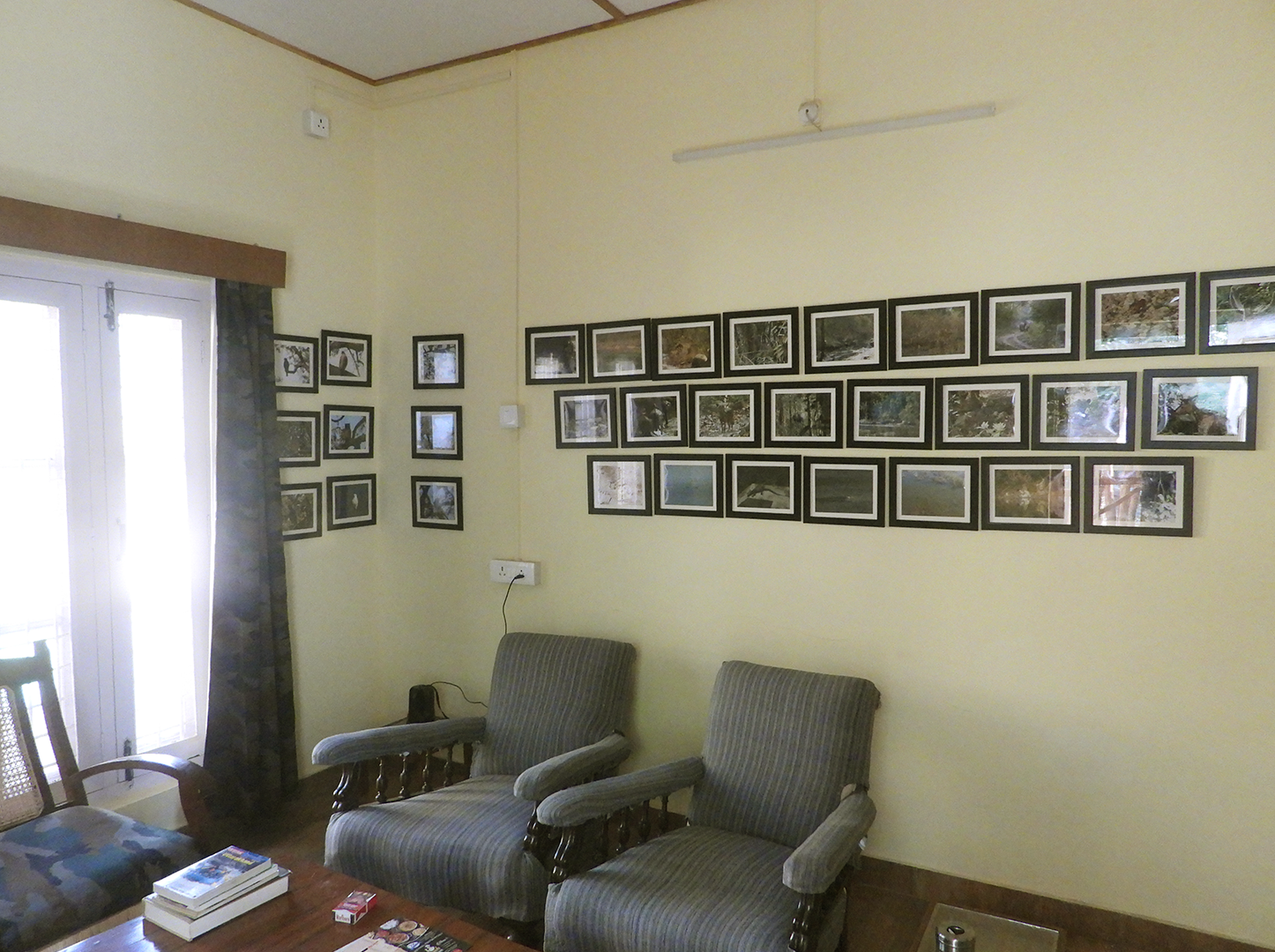
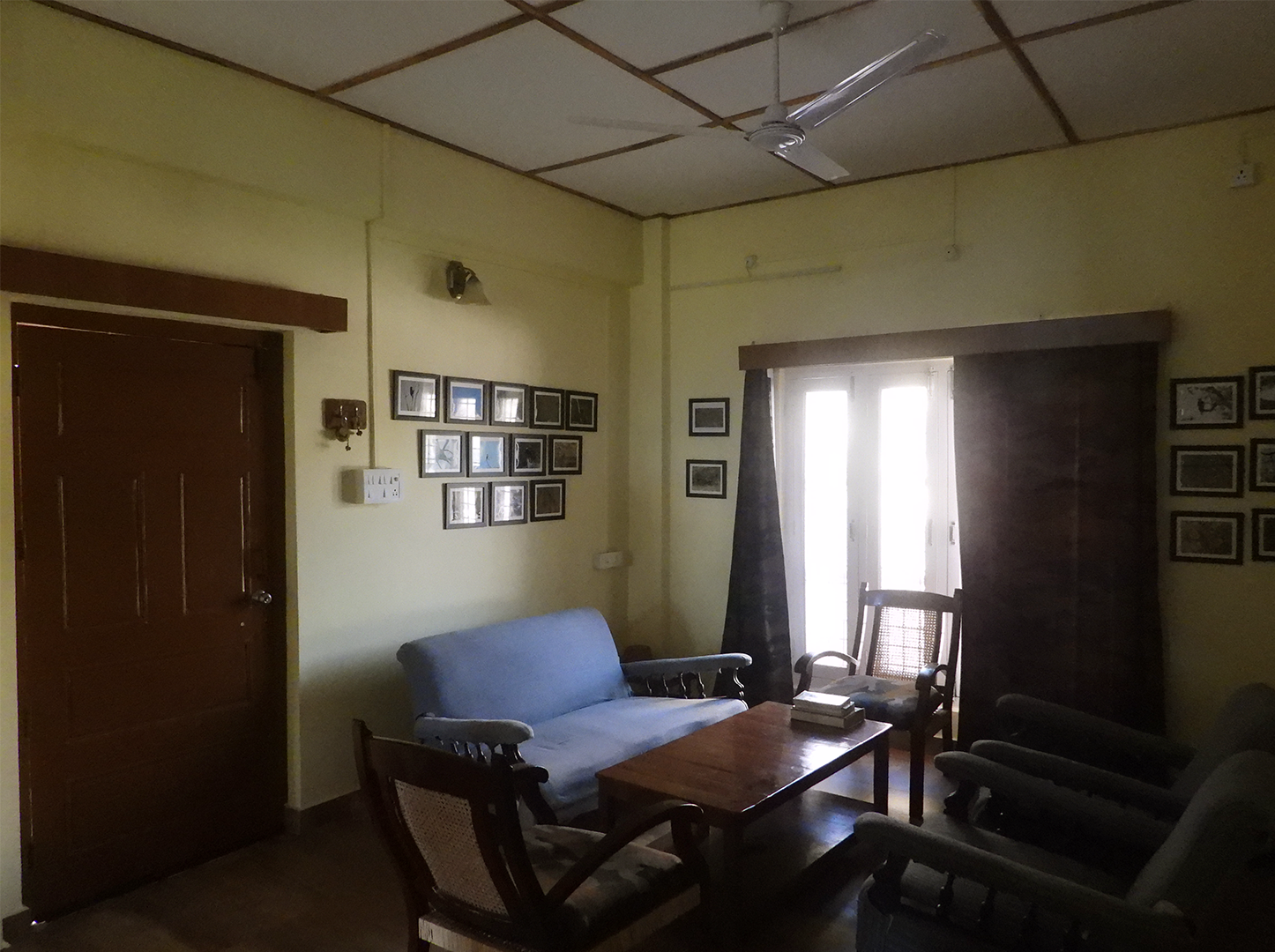
Comfortable Cozy Rooms
Amenities
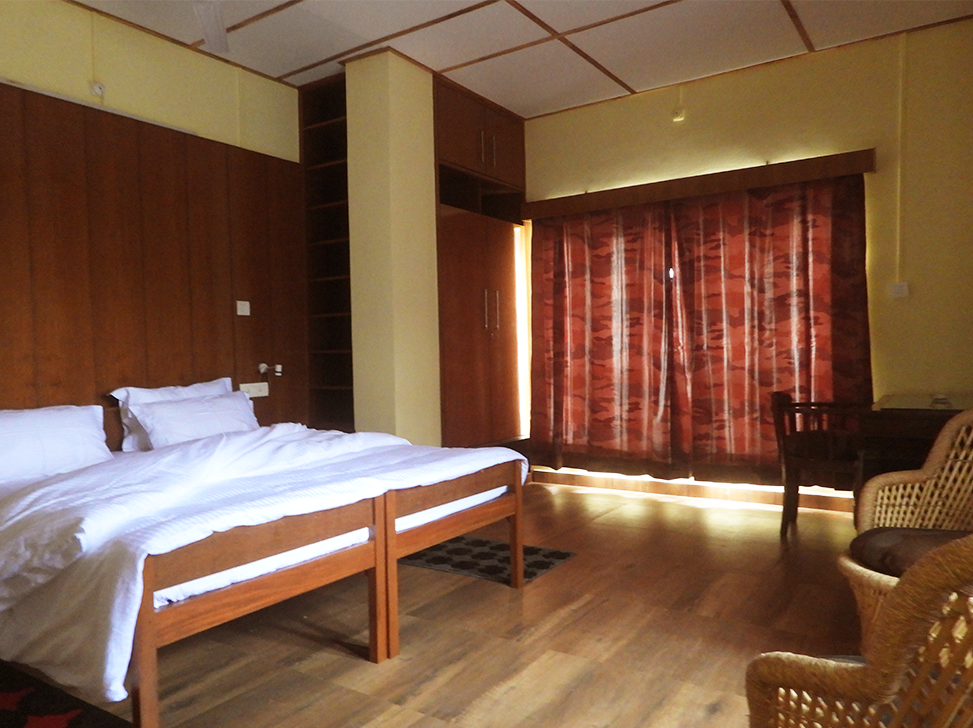
1.Clean and hygienic accommodation
2.Hot and cold running water.
3.Heating in bedrooms and washrooms.
4.Live fireplace in sitting room.
5.WIFI.
6.Television in bedrooms.
7.CCTV for security.
8.Electric blankets on bed.
9.Fresh cooked meals as per request.
10.Indoor and Outdoor seating area.
11.Electric Iron.
12.We also maintain some OTC medicines for emergencies.

NEWS & MEDIA